When it comes to fashion photography, lighting is the unsung hero that brings everything to life. Mastering how to use light can make a world of difference in your images, turning a simple shot into a breathtaking piece of art. In this guide, we’ll break down the essentials of lighting in fashion photography, from understanding the different types of light to applying techniques that can elevate your work.
Understanding the Importance of Lighting in Fashion Photography
Lighting in fashion photography is far more than just a technical aspect of taking pictures; it sets the mood, highlights key features, and can even influence the viewer’s emotional response. Whether you’re working with natural light or artificial lighting, the way light interacts with your subject can shape the entire aesthetic of your shoot.
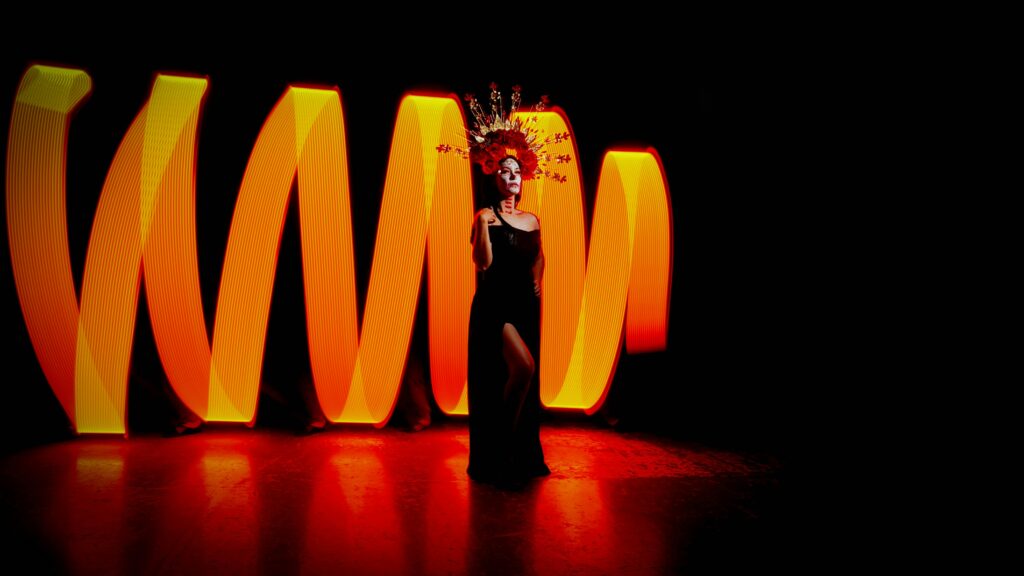
Types of Lighting in Fashion Photography
Natural Light vs. Artificial Light
The two most common types of lighting in fashion photography are natural and artificial light. Each has its own benefits and can be used to create distinct looks.
- Natural Light: This refers to sunlight or light from the environment. It’s soft, flattering, and perfect for creating a more organic, raw feel. Outdoor shoots or near windows are ideal for utilizing natural light.
- Artificial Light: This includes studio lights, flashes, and LED panels. Artificial light offers more control over the scene and allows photographers to shape the light in ways natural light cannot.
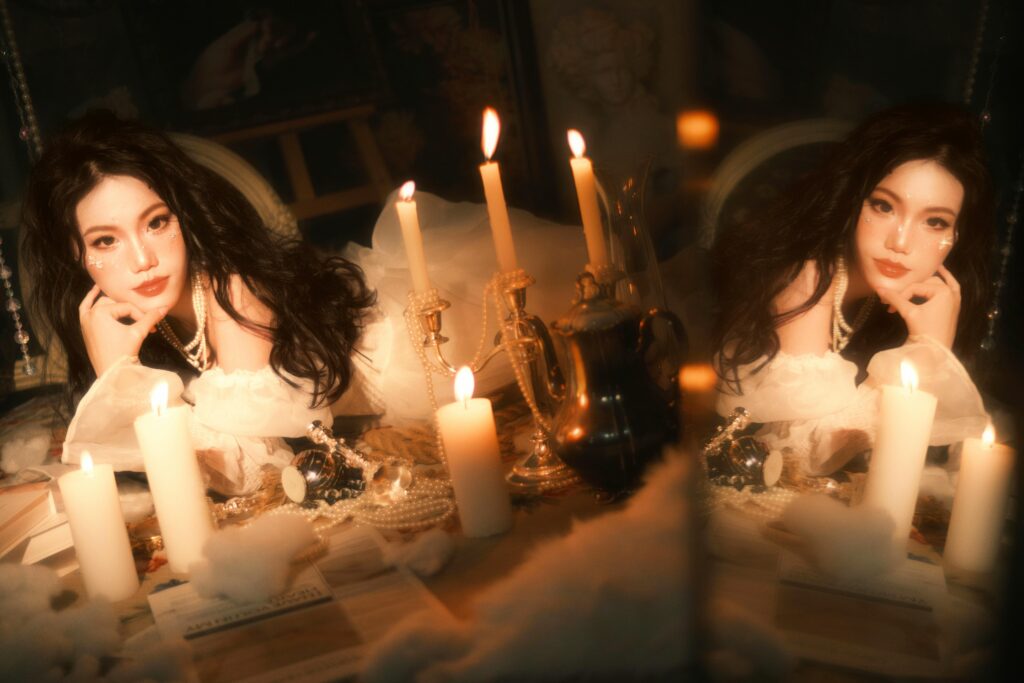
Key Lighting Techniques in Fashion Photography
To truly master lighting, you need to understand the different techniques used to create specific effects in your photos.
1. Rembrandt Lighting
Named after the famous painter, Rembrandt lighting uses a single light source placed at a 45-degree angle to the subject, creating a triangular highlight on the cheek. This technique is great for creating dramatic, high-fashion looks.
2. Butterfly Lighting
This technique involves placing the light directly above and in front of the subject, creating a butterfly-shaped shadow under the nose. It’s often used for beauty and portrait photography, giving the face a glamorous, sculpted appearance.Fashion Photography
3. Split Lighting
Split lighting is achieved by placing the light to the side of the subject, resulting in one half of the face being brightly lit, while the other is in shadow. It’s perfect for creating moody, edgy images with high contrast.

How to Control Light for the Best Effect
Modifiers: Diffusers, Reflectors, and Softboxes
Once you understand how to use light, the next step is controlling it to get the exact effect you want. Modifiers like diffusers, reflectors, and softboxes can soften, redirect, and shape light.Fashion Photography
- Diffusers soften harsh light, reducing shadows and creating a more flattering look.
- Reflectors bounce light back onto the subject, filling in shadows or highlighting specific areas.
- Softboxes create diffused light, offering a soft, even glow that reduces harsh contrasts.
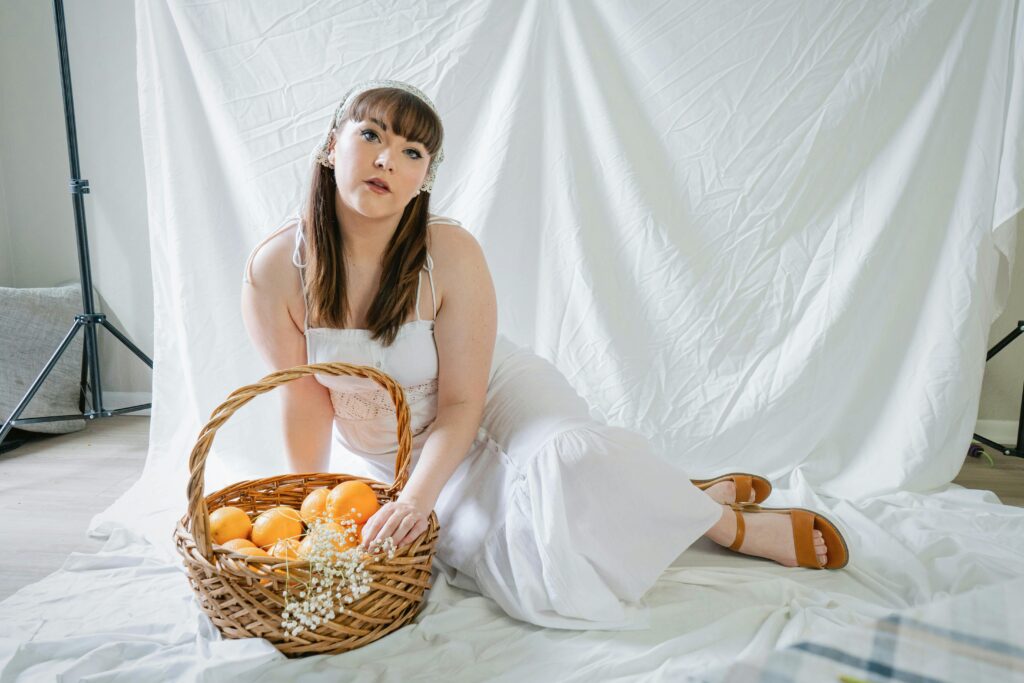
Lighting Setups for Different Fashion Styles
The lighting setup you choose can completely change the mood of your fashion photography, and each style demands a unique approach.
- High-Fashion Editorials: For high-fashion shoots, dramatic lighting like Rembrandt or split lighting can add an artistic flair. It’s all about creating striking contrasts and emphasizing the subject’s features.
- Casual Fashion: For more casual shoots, natural lighting is often the best option. It creates a laid-back vibe and gives the images a warm, inviting feel.
- Beauty Shots: When photographing beauty products or makeup, even lighting is key. Use softboxes or large diffusers to ensure there are no harsh shadows on the face.
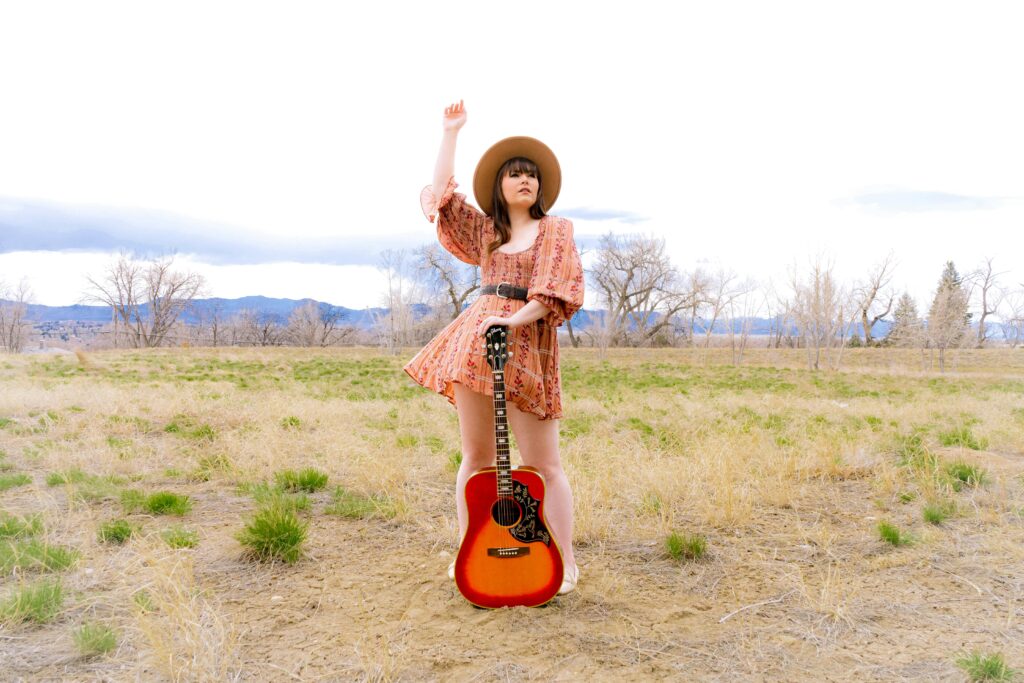
Using Shadows to Enhance Your Photos
In fashion photography, shadows can be just as important as light. They add depth, texture, and mood to your shots. Experimenting with the placement of your light source can help create interesting shadow patterns, highlighting certain features and adding visual interest to your images.
Conclusion
Mastering lighting in fashion photography requires practice and experimentation, but it’s a skill that can elevate your images from ordinary to extraordinary. By understanding different types of light, mastering lighting techniques, and learning how to control shadows and modifiers, you can create stunning, professional-looking photos that truly capture the essence of fashion.