Organizing a corporate event is a significant undertaking that requires careful planning, coordination, and attention to detail. Whether it’s a conference, product launch, team-building activity, or networking event, the key to success lies in a structured approach that ensures everything runs smoothly. In this ultimate guide, we will break down the essential steps to organizing a successful corporate event from start to finish.
1. Define Your Event’s Purpose and Goals
Before diving into the logistics of organizing a corporate event, it’s crucial to define the event’s purpose. Why are you hosting the event? Is it to celebrate a company milestone, foster networking, or promote a product or service? Setting clear goals will guide all your decisions moving forward, from choosing a venue to selecting speakers.
Establish SMART goals (Specific, Measurable, Achievable, Relevant, Time-bound) for your event. Whether it’s gaining industry exposure, increasing brand awareness, or enhancing employee engagement, having well-defined objectives helps align your team’s efforts and keeps you focused on the outcome.

2. Set a Realistic Budget
The next step is determining the budget for your event. A clear budget helps you allocate resources effectively and ensures you don’t overspend corporate event. The cost of a corporate event can vary depending on its scale and complexity, but the primary expenses typically include:
- Venue rental
- Catering
- Speakers and entertainment
- AV and technology requirements
- Marketing and promotion
- Event materials (swag bags, brochures, signage)
Be sure to account for potential unexpected costs and leave a buffer to manage any last-minute changes.

3. Choose the Right Venue
The venue you select plays a pivotal role in setting the tone of the event. When choosing a venue, consider factors such as:
- Location: Ensure the venue is easily accessible for attendees.
- Capacity: Make sure the venue can accommodate your expected number of guests.
- Amenities: Check for necessary facilities like AV equipment, Wi-Fi, and catering options.
- Ambience: The venue should reflect your event’s tone. A formal conference may require a more sophisticated setting, while a casual networking event may work better in a relaxed atmosphere.
Do a thorough walkthrough of potential venues to ensure they meet your event’s needs.

4. Create a Detailed Event Agenda
Once you’ve locked down your venue, it’s time to create a detailed event agenda. This is essential to ensure the event flows smoothly and that attendees remain engaged throughout the day corporate event. The agenda should include:
- Start and end times: Define when the event will begin and end.
- Key activities: Include sessions, networking breaks, and meals.
- Speaker schedule: If you have keynote speakers or panel discussions, be sure to outline their timeslots.
- Interactive activities: If you’re hosting workshops or Q&A sessions, ensure these are clearly marked.
Having a well-planned agenda will allow you to monitor time effectively and make adjustments if necessary.

5. Secure Engaging Speakers and Entertainment
The right speakers and entertainment can elevate your event, making it memorable and impactful. Choose speakers who align with the event’s goals and can add value to the audience corporate event. Whether it’s an industry expert, a motivational speaker, or a successful entrepreneur, the speaker should provide actionable insights and inspire attendees.
If your event includes entertainment, make sure it complements the overall theme. From live music to interactive performances or even a fun team-building activity, entertainment should keep attendees engaged and excited throughout the day.

6. Promote the Event Effectively
Marketing your event is essential for ensuring strong attendance and generating buzz. Create a marketing plan that includes:
- Email invitations: Send personalized invitations well in advance to your target audience.
- Social media promotion: Utilize platforms like LinkedIn, Twitter, and Instagram to create excitement around your event.
- Website or landing page: Build a dedicated event page with all relevant details and a registration link.
- Event hashtags: Create a unique hashtag to encourage social sharing and increase visibility.
The more exposure your event gets, the greater the chances of a successful turnout.

7. Focus on Event Logistics
With your event taking shape, it’s essential to ensure the logistics are well coordinated corporate event. Some key areas to focus on include:
- Registration process: Have a clear system for checking in guests, whether it’s via an online registration platform or manual check-ins at the venue.
- Catering and refreshments: Work with a reputable caterer to provide food and beverages that will keep attendees energized throughout the event.
- Audio-visual equipment: Ensure that all technology, including microphones, projectors, and screens, is tested in advance.
- Transportation and parking: Ensure there are ample parking spaces or transportation options for attendees traveling to the venue.
Hiring an experienced event coordinator or team can be incredibly helpful in ensuring that everything runs smoothly.
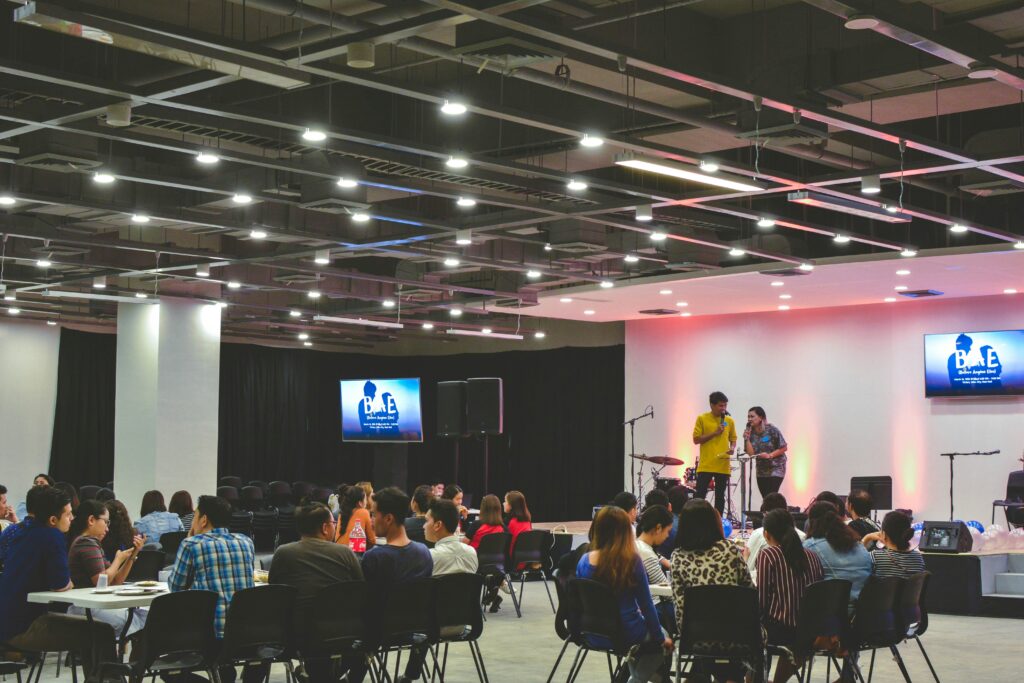
8. Collect Feedback and Measure Success
After the event, it’s important to measure its success and gather feedback from attendees. Send out post-event surveys to learn what went well and what could be improved. Metrics such as attendee satisfaction, social media engagement, and ROI (return on investment) can also help assess the event’s impact.
Collecting feedback ensures you continuously improve your events and can make adjustments for future corporate gatherings.

Conclusion
Organizing a successful corporate event is a multifaceted process that requires meticulous planning, creativity, and attention to detail. By defining your event’s purpose, setting a realistic budget, selecting the right venue, and ensuring smooth execution, you can create an event that leaves a lasting impression on your attendees. Remember, the goal is to engage, inform, and inspire, so always keep your audience at the heart of the planning process. With the right approach, your corporate event can achieve great success and drive significant business outcomes.