Planning a successful corporate event requires more than just a good venue and a few speakers; it’s about creating an experience that resonates with the audience, drives engagement, and meets the event’s objectives. From the initial concept to the final execution, every detail must be carefully thought out to ensure a seamless event. In this post, we’ll take you through the step-by-step process of how we planned our latest corporate event, highlighting key decisions and behind-the-scenes efforts that made it all come together.
1. Defining the Event’s Purpose and Goals
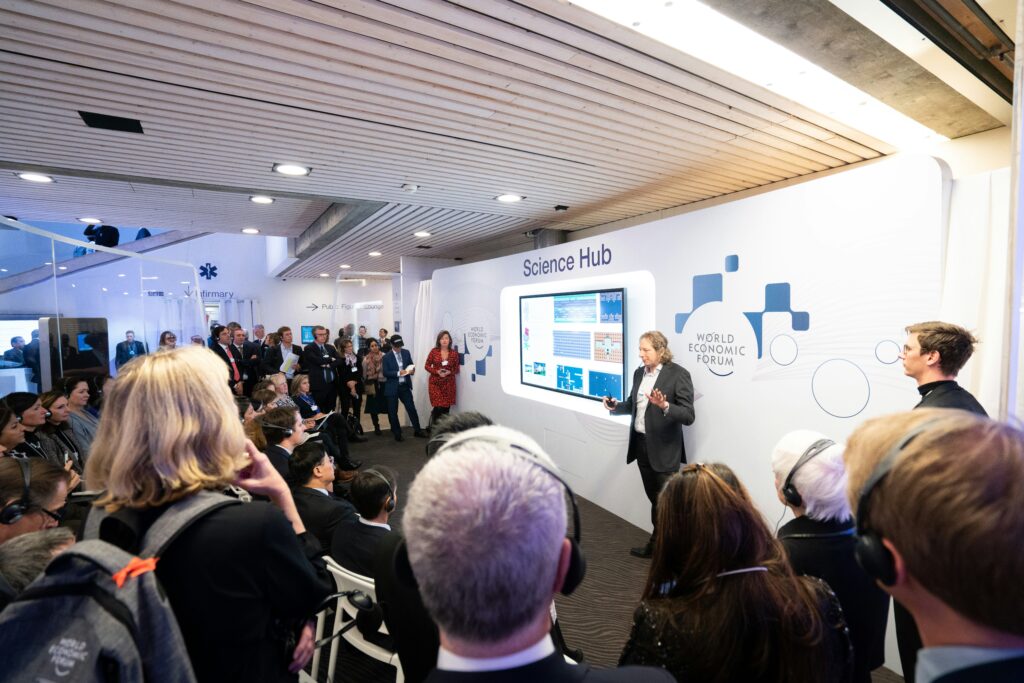
The very first step in planning any corporate event is understanding its purpose. For our event, we wanted to create an opportunity for our team, clients, and industry leaders to come together and discuss innovation and collaboration in our field. We identified clear goals: to foster networking, share valuable insights through keynote speeches, and encourage collaboration through interactive sessions. Establishing these objectives early on allowed us to focus all subsequent decisions on ensuring these goals were met, and that every element contributed to the event’s success.
2. Choosing the Right Theme
Once we understood the event’s purpose, the next step was selecting a theme that would tie everything together. A strong theme sets the tone and can guide all aspects of the event, from branding to content to the choice of speakers. After brainstorming several options, we landed on “Innovating Together: Shaping the Future of Corporate Event.” This theme not only reflected the cutting-edge nature of our business but also emphasized the collaborative environment we wanted to foster Corporate Event. It became the core around which all other decisions revolved, including the design of our event materials, the selection of our speakers, and even the tone of our marketing campaign.
3. Budgeting and Allocating Resources
With the theme in place, we moved on to the budget. It’s essential to allocate resources wisely to avoid overspending while ensuring the quality of the event remains high. We started by estimating costs for the venue, speakers, catering, and technology needs (audio-visual setups, livestreaming, etc.). We also allocated funds for promotional materials and event swag. A detailed budget helped us prioritize where to spend and where to cut back, ensuring that we stayed within our financial limits without compromising the event’s overall impact.
4. Selecting the Right Venue
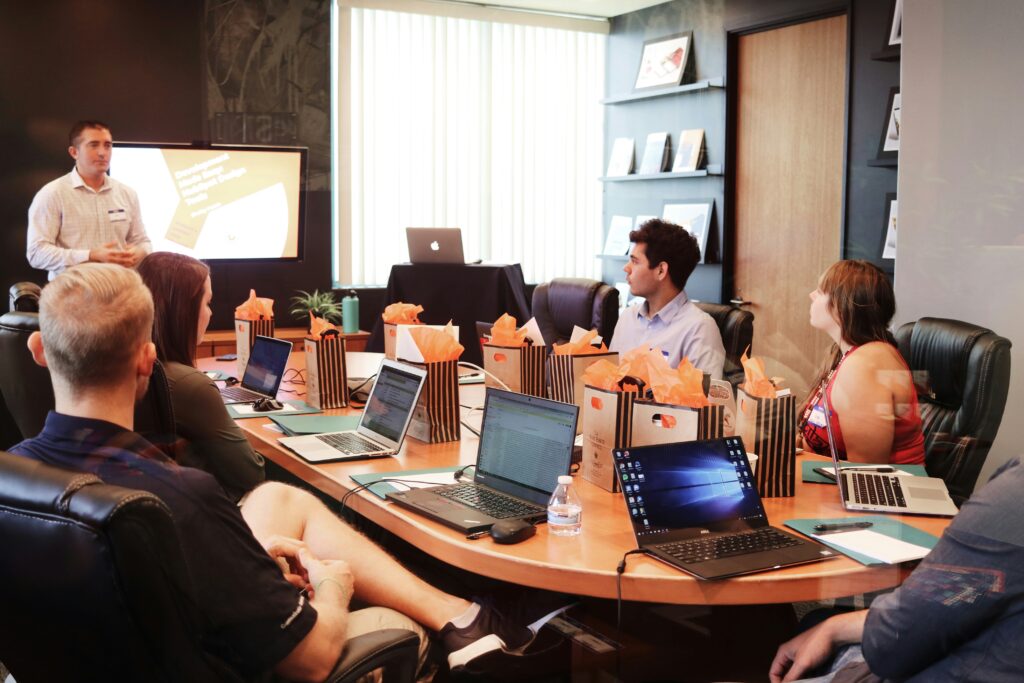
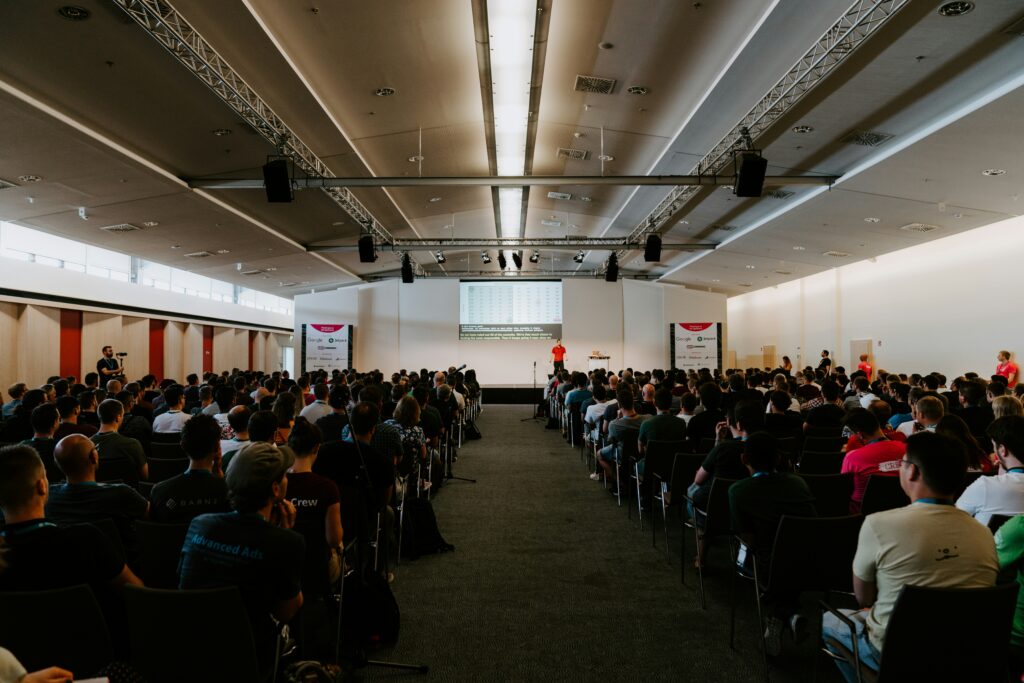
Choosing the right venue is crucial in bringing the event to life. We considered various factors, such as location, size, accessibility, and ambiance. The venue needed to accommodate our estimated number of attendees comfortably while allowing for various types of sessions, including keynote speeches, panel discussions, and hands-on workshops Corporate Event. After touring several venues, we selected one that offered a perfect balance of modern aesthetics and functional spaces for our event’s various components. The venue also provided high-quality audiovisual support, which was critical for ensuring the smooth execution of presentations and live broadcasts.
5. Curating a Strong Lineup of Speakers
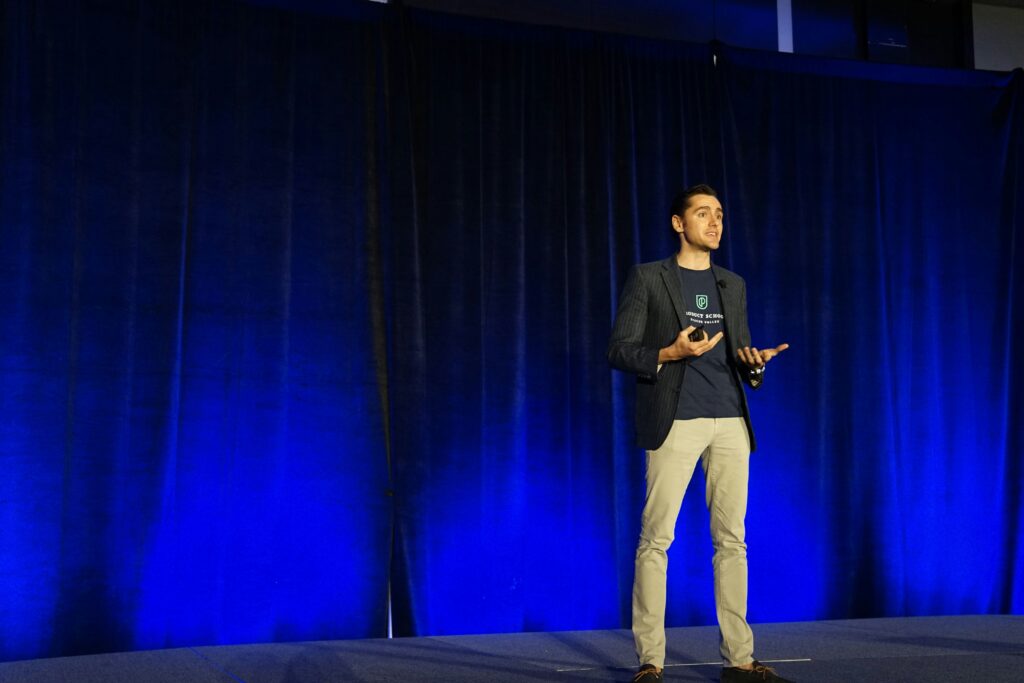
The next step was selecting speakers who could bring expertise, authority, and inspiration to our event. We wanted a mix of thought leaders, industry experts, and engaging personalities who could speak to the theme of innovation and collaboration. This was perhaps one of the most critical aspects of our planning process, as the quality of the speakers would greatly impact the event’s value. After reaching out to potential speakers, we carefully curated a lineup that included a keynote speaker, panelists, and workshop facilitators who all brought unique perspectives to the table. We also made sure that our speakers were aligned with the event’s values, ensuring the overall message would be consistent.
6. Marketing and Promoting the Event
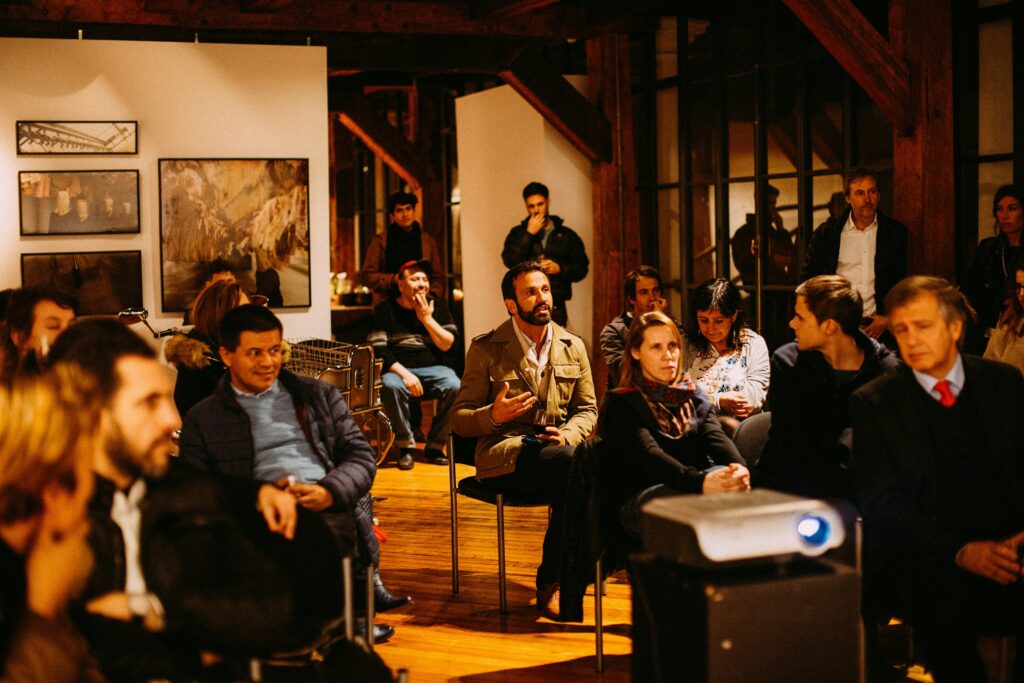
To generate interest and ensure strong attendance, we launched a targeted marketing campaign that included email invitations, social media posts, and blog content related to the event. Our promotional strategy focused on communicating the value of attending, whether it was for learning, networking, or gaining insight into emerging trends. We also highlighted the unique aspects of the event, such as our interactive workshops and exclusive networking sessions, to build excitement. Creating a buzz ahead of the event was key to driving registration and ensuring a full house on the day.
7. Logistics and Event Coordination
As the event date approached, we turned our attention to the logistics. We coordinated every detail, from transportation and parking arrangements to catering menus and registration processes. We also ensured that our event staff was well-trained and prepared to handle any situation that might arise on the day of the event. The smooth execution of an event often depends on having the right team in place to manage everything from setting up the venue to troubleshooting any technical issues. We scheduled rehearsals for our speakers and conducted multiple walk-throughs of the venue to ensure everyone was on the same page.
8. The Event Day: Bringing It All Together
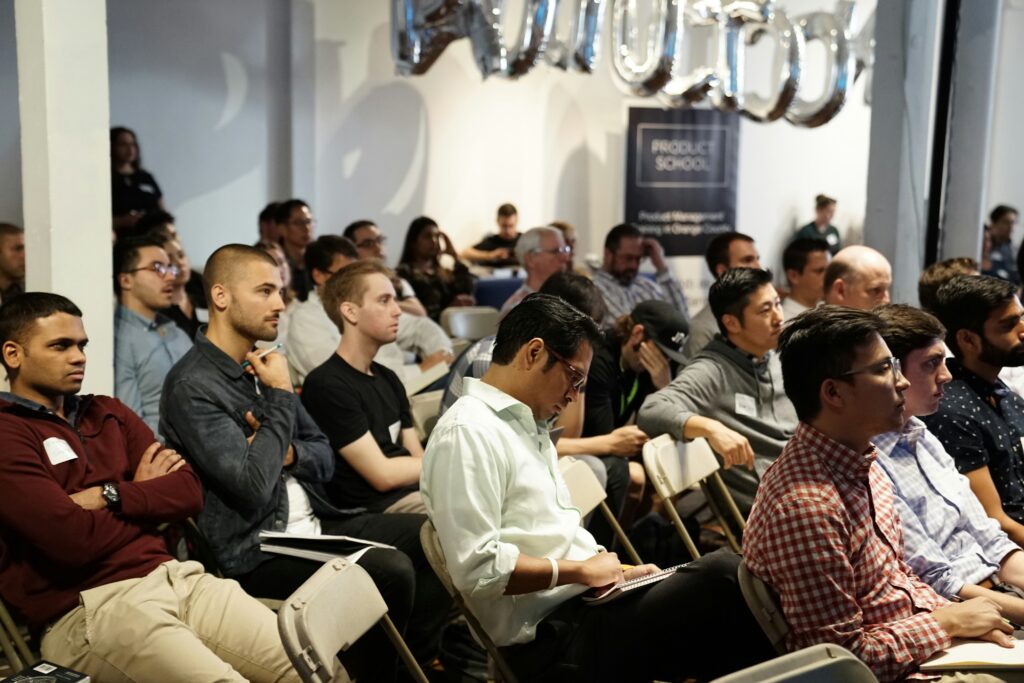
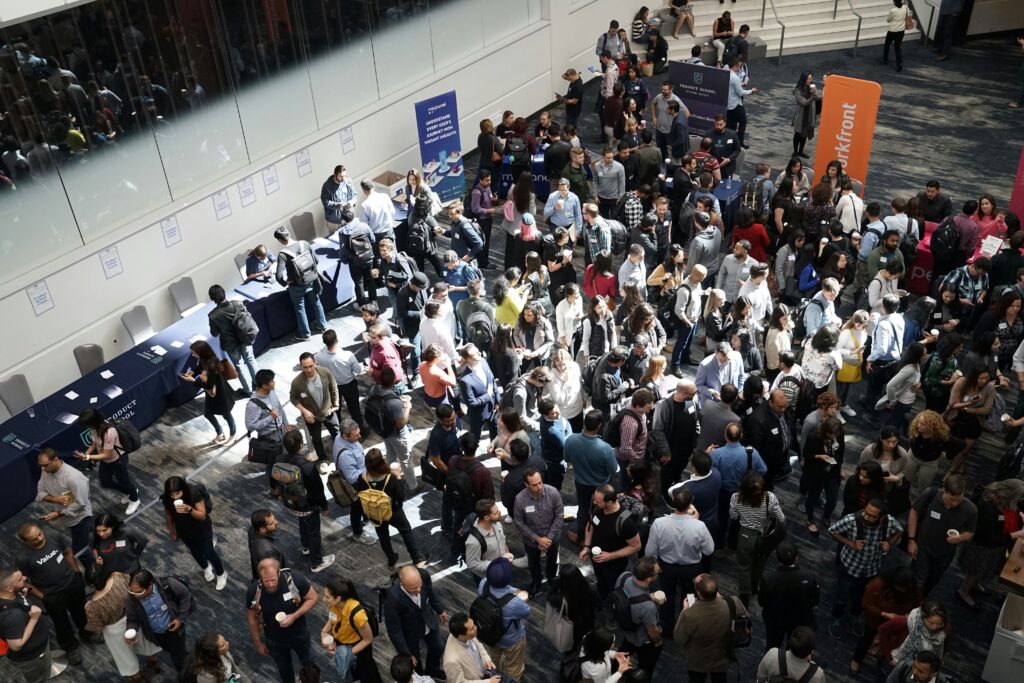
On the day of the event, everything fell into place. The venue was set up, the speakers were ready, and the attendees began arriving. From registration to the final closing remarks, we worked hard to ensure that every moment flowed seamlessly. The feedback we received during and after the event confirmed that our planning had paid off. Attendees engaged with the content, connected with one another, and left feeling inspired and motivated.
Conclusion
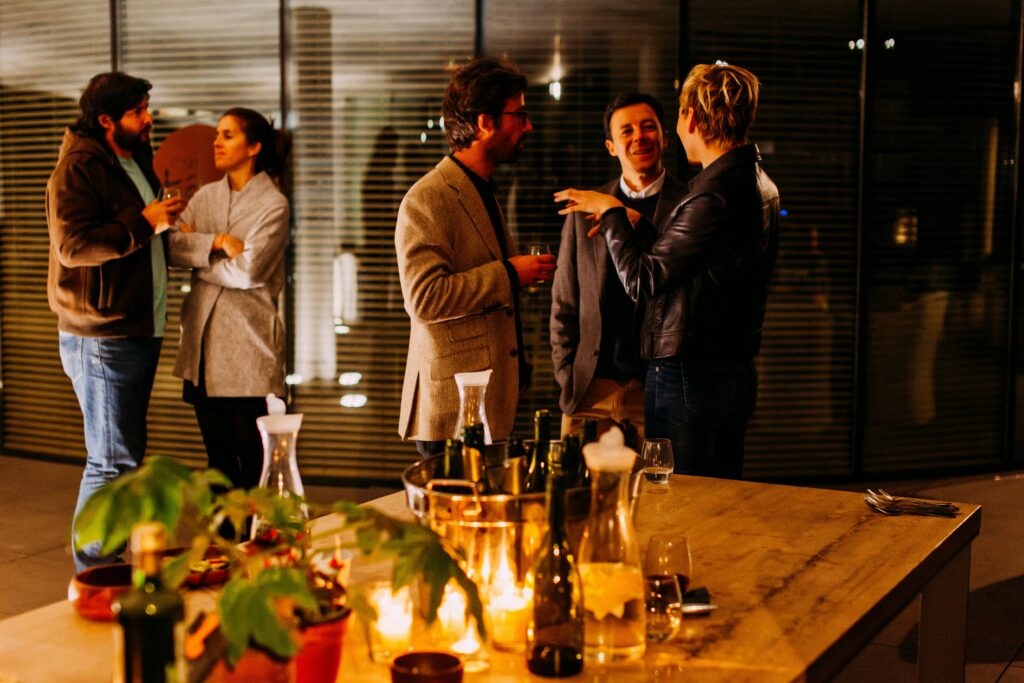
Planning a corporate event requires careful thought, attention to detail, and a team effort to bring everything together. By defining the event’s goals, selecting the right theme, managing the budget, and ensuring all logistical elements were in place, we were able to create a memorable and impactful experience for everyone involved. Every step of the process—from concept to execution—was essential in making our corporate event a success. It was a rewarding experience that demonstrated the power of collaboration, careful planning, and a shared vision. We’re already excited for the next one!